 Shivali Sharma
Resume
Shivali Sharma
Resume
Case study · government & public sector · built in 9 days
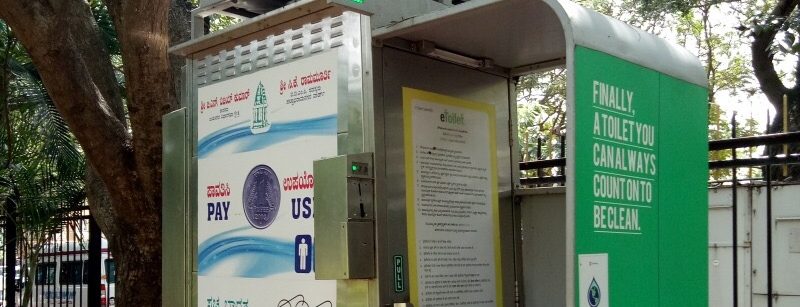
Women in Bengaluru hold it for hours and avoid drinking water, because a toilet nearby doesn't mean a toilet you can use. Google's pins lie. Loocator's don't, because I walked into every single one and checked.
Open Loocator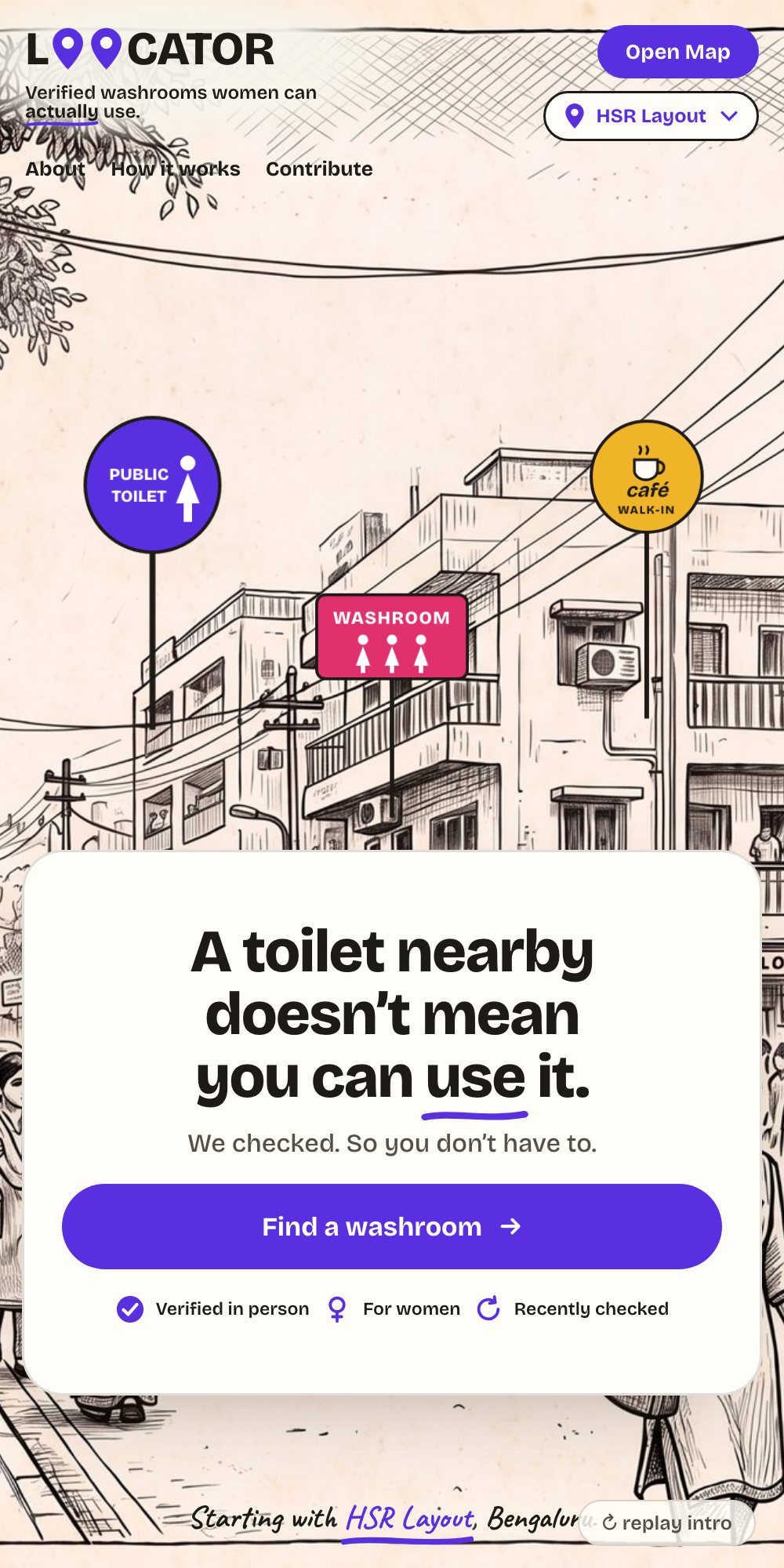
The module brief was completely open: redesign any government or public-sector experience, in 9 days, individually. The instruction that mattered: pick one sector, one area, one problem, and solve it small and working, not big and imaginary.
I picked the most everyday problem I could find, one that half the population feels weekly and almost no one designs for: finding a washroom you can actually use, as a woman, out in an Indian city.
Google Maps has toilet pins. But "24 hours" toilets are locked, "public toilets" turn out to be men's-only, and no pin tells you the things that actually decide whether a woman walks in: a working latch, water, light, a real women's section. So women plan their day around not drinking water. That's a public-health failure hiding inside a mapping problem.
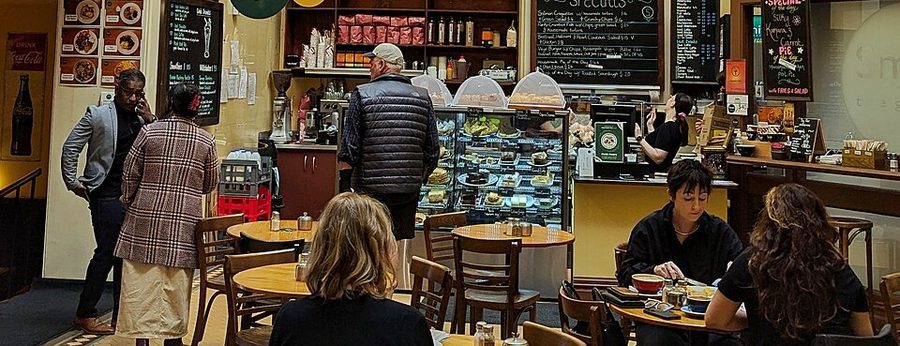
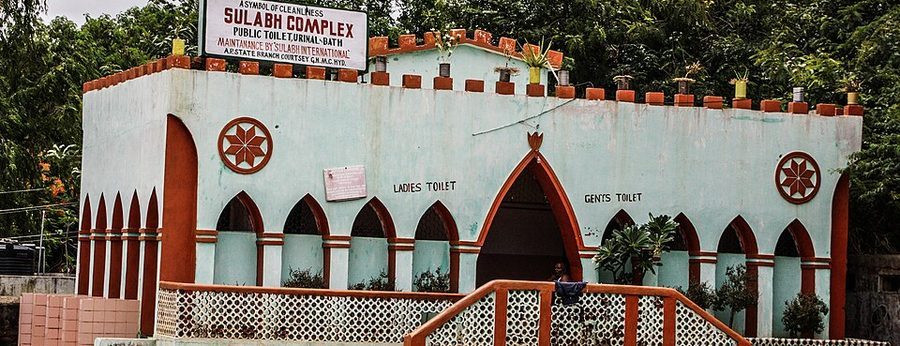
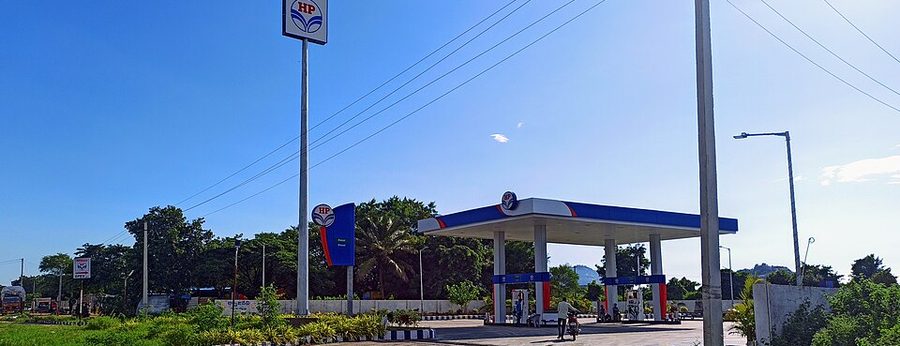
Loocator v1 is a mobile web map: no app, no login. Every pin is a washroom I physically verified: BBMP public toilets, pay-and-use, walk-in-friendly cafés, petrol pumps. Tap a pin and you get the six facts, the hours, and the signature element: a freshness stamp that says "verified 2 days ago." Filters on top, directions one tap away.
Being tested now: the product is live and in the hands of real users in the field, starting with one Bengaluru neighbourhood.
Designed but unproven: QR stickers at washrooms for live status updates, café partnerships, and a longer-term layer inspired by Pune's mobile women's restrooms: place supply wherever the map shows demand with none.
The honest bet: that verified freshness is worth more to users than exhaustive coverage. The field test decides.
Want the full discovery document behind this build, with every tagged claim? It's available on request.
sshivali53@gmail.com